
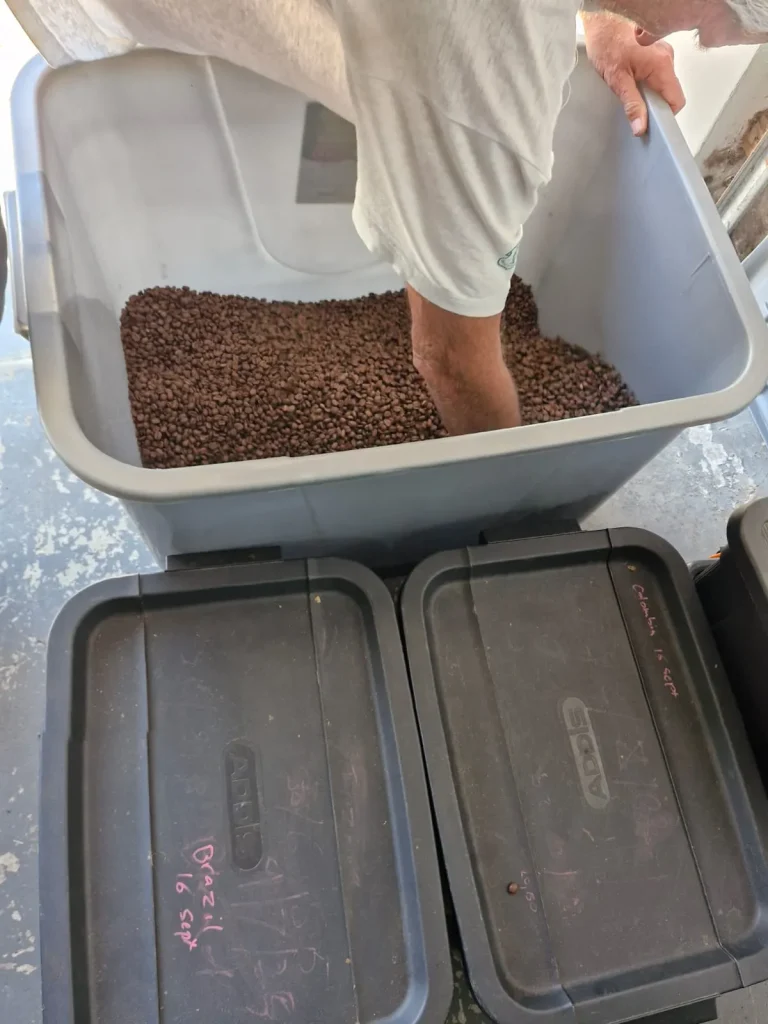
A 250g bag of ours runs somewhere between R150 and R175 depending on the origin. Stand it next to the supermarket shelf and that number looks almost rude. So let’s actually talk about it, because “trust me, it’s worth it” isn’t really an answer, it’s just a vibe.
What you’re paying for before it even reaches me
To be called “specialty” a coffee needs to score 80 or above on the Specialty Coffee Association’s 100-point scale. What I buy usually sits around 84 to 87+. Getting a coffee to score that high isn’t an accident: it means growing at real altitude (1500m and up, which slows the cherry down and builds more flavour into it), picking only the ripe red cherries by hand rather than stripping a whole branch at once, and processing done carefully enough that fermentation and drying don’t wreck the batch on day one. None of that is free, and none of it should be. If you want to properly fall down the rabbit hole, coffee obsessives like James Hoffmann have made whole videos on where the money in a bag actually goes, and I’m not going to pretend I could explain it better than they do. Farmers who do this properly, and who keep the kind of relationship with importers that gets their coffee in front of small roasteries, earn meaningfully more than commodity growers do. Good. That premium is the actual point, not a side effect I feel bad about.
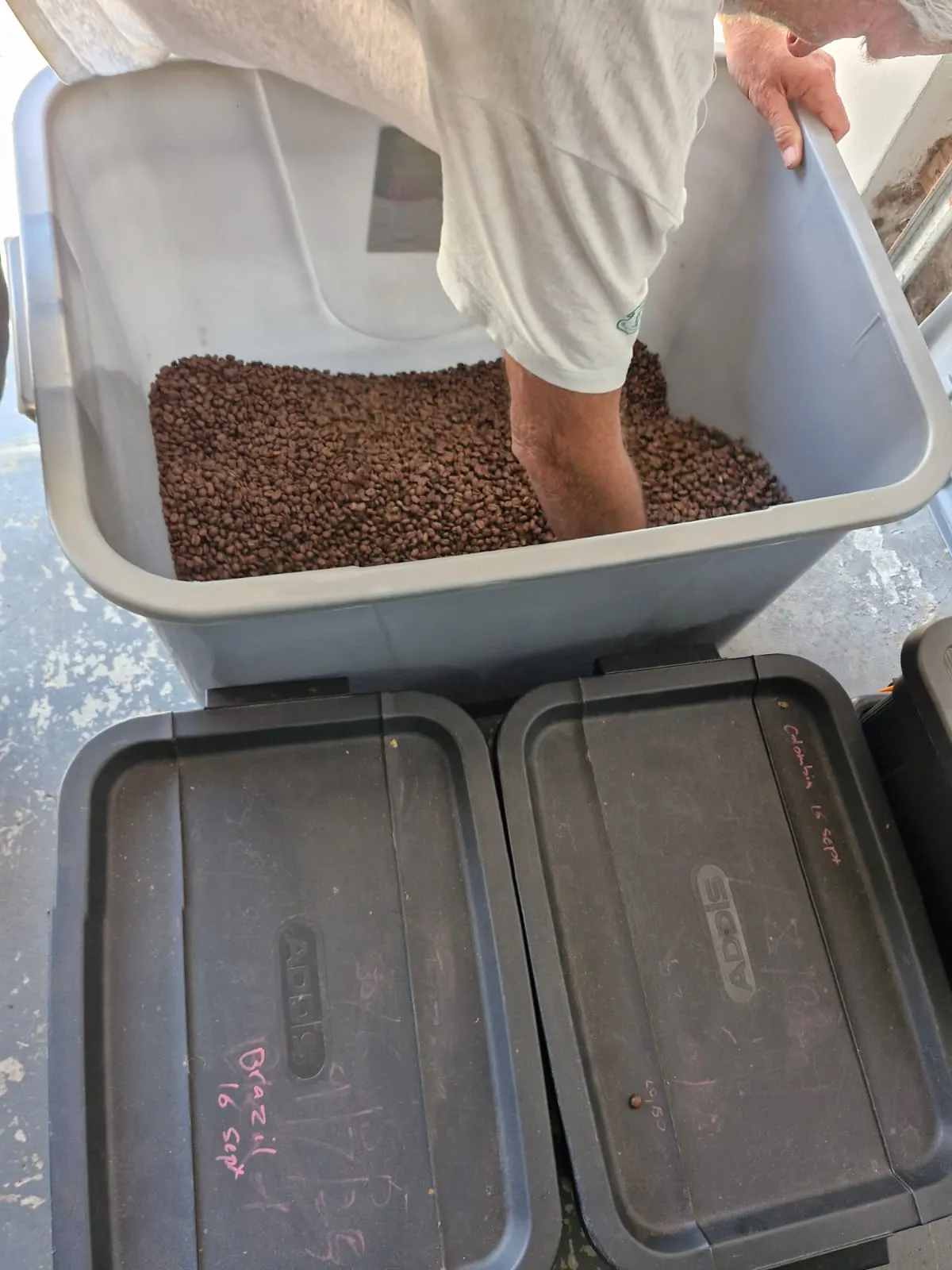
Then it has to actually get here, traceably. My bags tell you a farm, a region, a processing method, not “a blend of origins,” which is doing a lot of work to avoid telling you anything at all. That traceability costs money too, and honestly I think it’s worth knowing where your coffee actually came from.
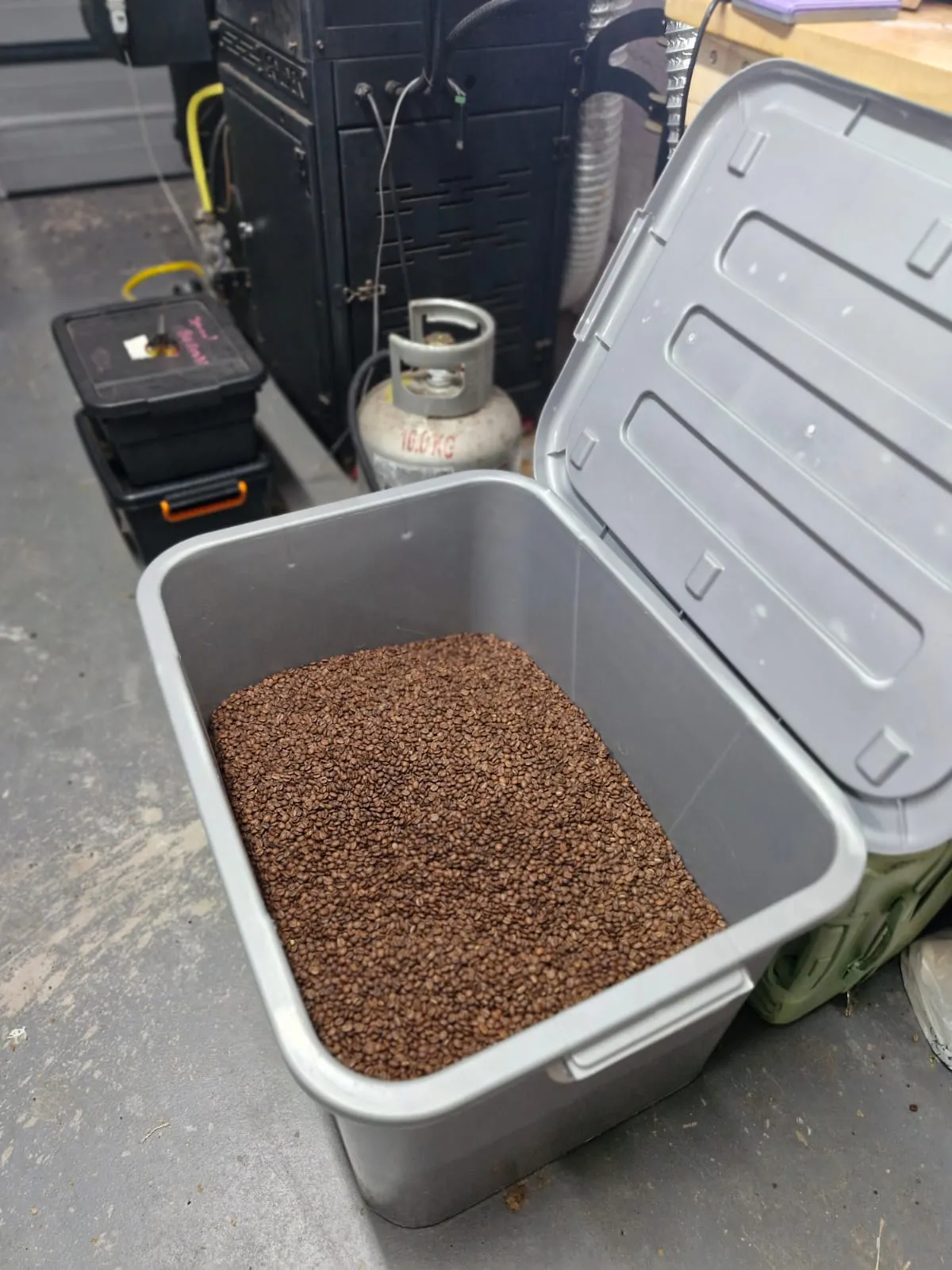
Then I roast it, in small batches, to order, out of a space in Blouberg with a roaster I still find weirdly thrilling to run most days (a year in, that hasn’t worn off yet, which either says something nice about the job or something concerning about me). No sitting on a warehouse of pre-roasted stock, no economies of scale to hide behind. Dialling in a delicate natural Ethiopian is a completely different job to a forgiving commercial blend, and getting there takes test roasts, attention, and the occasional batch that doesn’t survive contact with the bin.
What that R150-odd actually buys you
A 250g bag makes somewhere around 12 to 15 cups depending on how you brew it. That’s roughly R10-15 a cup at home, which, set against basically anything else you might spend money on for a small daily pleasure, isn’t much at all. You’re also getting coffee roasted days ago instead of months ago, an origin you can actually look up, and a cup that tastes meaningfully different bag to bag because it’s coming from real, specific places rather than an averaged-out blend designed to taste the same forever.
Is it more than the tin on the bottom shelf? Yes. Am I biased? Extremely, I sell the stuff for a living. But I don’t think the gap between us and supermarket coffee is mostly marketing, and I’d tell you if I thought it was.
If you want to see the actual scoring system behind all this, the Specialty Coffee Association has the full breakdown of how coffee gets graded. And if you want to understand why two bags with the same roast date can taste completely different, that mostly comes down to how the coffee was processed before it ever reached a roaster.
If you want to taste the difference yourself rather than take my word for it, the single origins are the most obvious place to start, that’s where the price and the story line up most clearly. Or come find the trailer, or the cafe at Laude Classic Cars, and I’ll happily talk your ear off about all of this in person. We’re also on Instagram at @apothecary_coffee_co if you want to see what’s currently in the roaster.
See what’s worth the price for yourself
Small batches, named origins, roasted to order in Blouberg.
And if you drink it regularly, a coffee subscription softens the cost a bit — it starts at 10% off and climbs with volume.
Shop single origins →Ready to taste the difference?
Fresh roasted by Apothecary in Blouberg, shipped to your door.
Browse our coffees →