
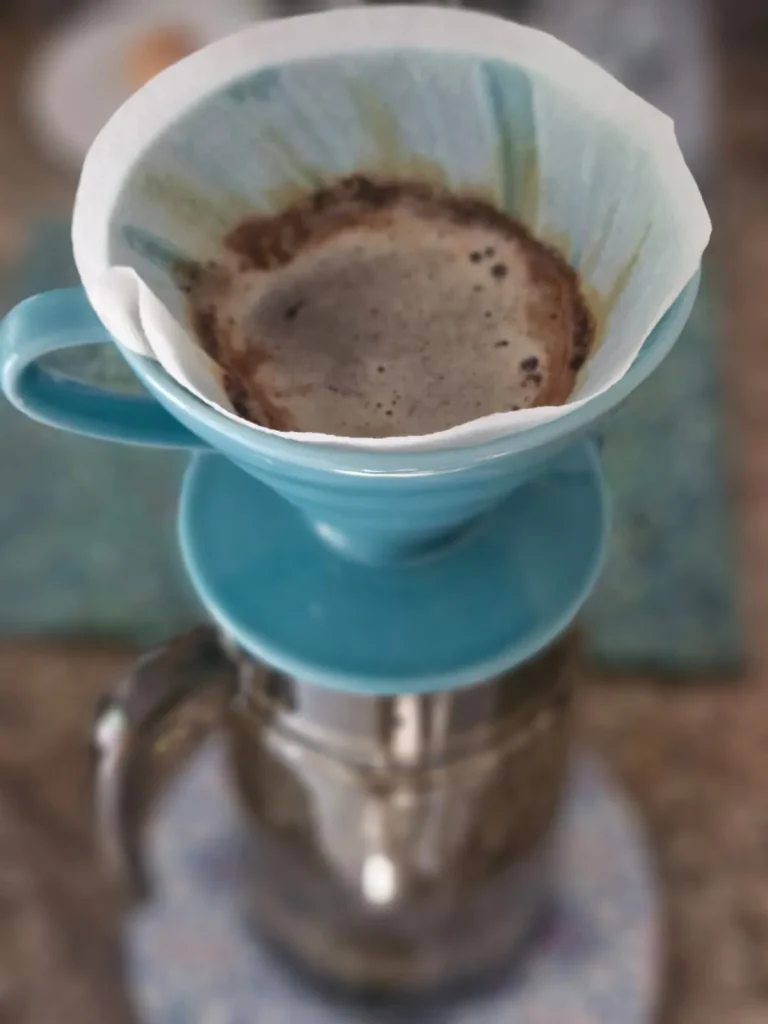
I get some version of this question most weeks at the hatch: “I bought your beans, I’ve got decent gear, I’m following the recipe, why doesn’t it taste like it does when you make it.” Nine times out of ten it’s not the beans, the grinder, or the recipe. It’s what’s coming out of the tap.
Not dirty water. Not unsafe water. Just very ordinary, perfectly-fine-to-drink Cape Town municipal water, which is a completely different standard to “good for brewing coffee.” Our tap water tends to run a bit high in minerals, and that quietly kills some flavours and exaggerates others in exactly the wrong direction.
I’m not about to tell you to go buy a R4000 filter system. I just think you should know what your kettle is doing to the coffee you paid good money for.
Why water matters more than the equipment you bought
Coffee is basically 98-99% water once it’s brewed. Whatever’s in the water is in the cup, full stop. This isn’t subtle, nerdy chemistry, it’s the actual structure of what you taste.
Two things carry most of the blame:
- Total Dissolved Solids (TDS): the overall mineral load. Too little (distilled water) and extraction goes harsh and thin. Too much and minerals crowd out extraction, leaving things muted and a bit chalky. Roughly 75-150 ppm is the sweet spot.
- Bicarbonate: buffers the water against acidity. High bicarbonate flattens the bright, fruity character that makes a good Ethiopian or a Colombian worth drinking. Cape Town water tends to run higher than ideal here.
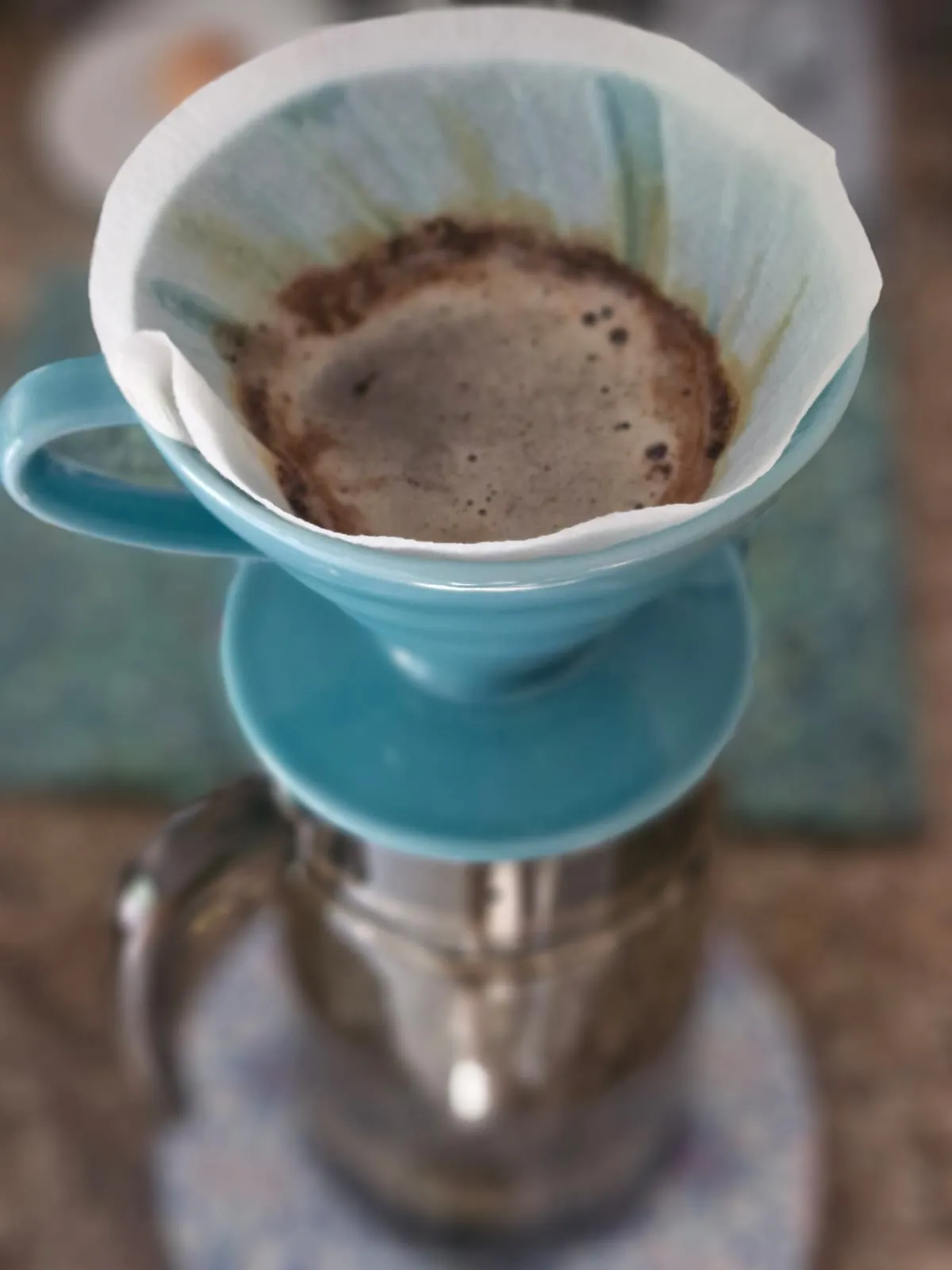
What that actually feels like in the cup
If you’ve been drinking beans you know are good and thinking “it’s fine, but a bit flat, like it’s missing something,” this is very likely it. Whatever delicate floral or citrus note was supposed to be there is getting quietly absorbed by minerals before it reaches your tongue.
And it’s not a cheap-coffee problem, it’s the opposite. A loud, dark commercial blend can shout over bad water. A lighter, more expressive specialty coffee is trying to say something specific, and bad water cuts the call.
Three fixes, cheapest first
Bottled water. Grab a low-mineral still water, look for TDS under 150ppm on the label, and brew with that once just to taste the gap. Not a long-term plan, but a genuinely useful experiment.
Tap and filtered, mixed. A 50/50 blend of tap and Brita-filtered water usually lands close to the ideal range. Doesn’t fully fix bicarbonate, but it’s a decent middle ground that costs nothing extra.
Third Wave Water. If you’ve already spent money on a good grinder and a scale, this is the logical next step, mineral sachets dissolved into distilled water to hit the exact target composition. Most serious home brewers land here eventually. thirdwavewater.com if you want to see what that looks like.
Try the test yourself
Brew two identical cups, same coffee, same everything, one with tap water and one with cheap bottled water. Taste them side by side. I’ve done this in front of people who swore they wouldn’t notice a thing. Every single one of them noticed. You can’t really un-taste it after that.
Once the water’s sorted, the next lever is freshness, and if you want to actually name what you’re tasting once the water stops getting in the way, this guide walks through it without any of the wine-snob vocabulary.
Start with great beans, then fix the water
We roast small batches to order in Blouberg and get bags out within 48 hours. There’s no point obsessing over water if you’re brewing three-month-old beans.
Get genuinely fresh coffee →