
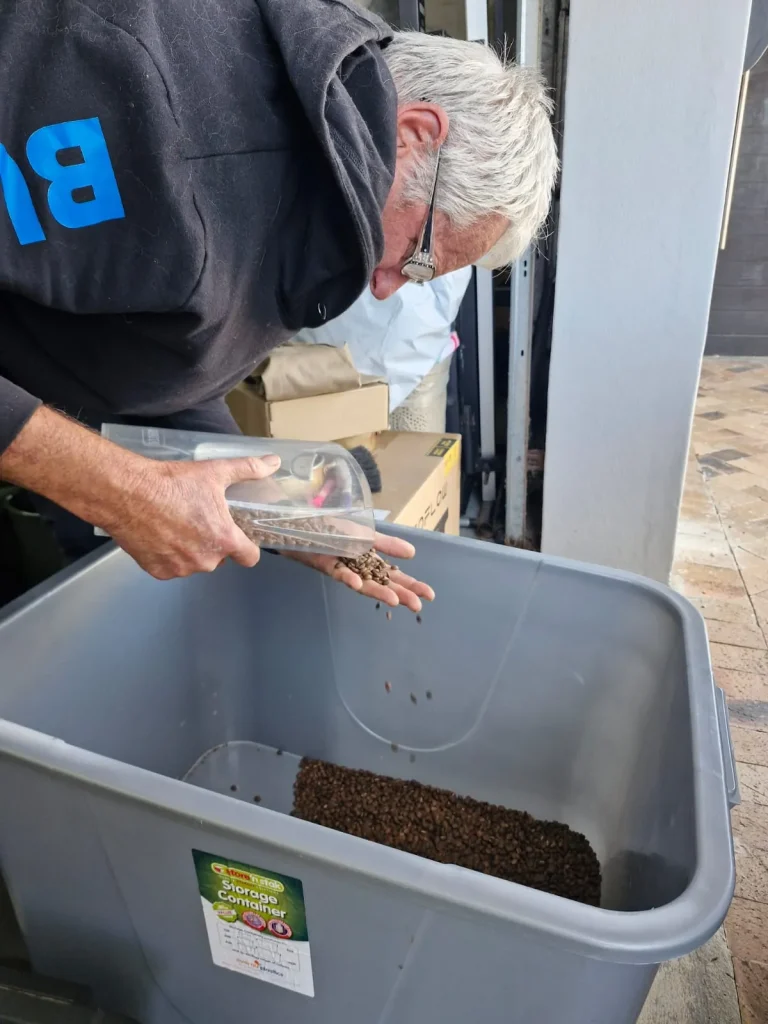
“Blackcurrant, dried apricot, silky body, wine-like finish.” If you’ve ever read tasting notes on a specialty coffee bag and had absolutely no idea what you were supposed to be tasting, you’re not alone, and honestly you’re not doing anything wrong. The language around coffee flavour is notoriously alienating, full of descriptors that seem almost designed to make people feel like outsiders in their own kitchen.
Here’s the thing though: tasting coffee well is mostly just paying attention. You already have everything you need to do it, you’ve just never been told that’s allowed.
Start with smell
Before you drink anything, smell the dry grounds. Then smell the wet grounds once it’s brewed. Aroma is doing most of the work you perceive as “flavour,” your tongue can only really detect sweet, sour, salty, bitter and umami. Everything more specific than that is your nose.
You don’t need the vocabulary yet. Just notice: does it smell fruity? Nutty? Floral? Like chocolate? Like wood or smoke? There’s no right answer here, you’re just starting to pay attention, which is the whole game.
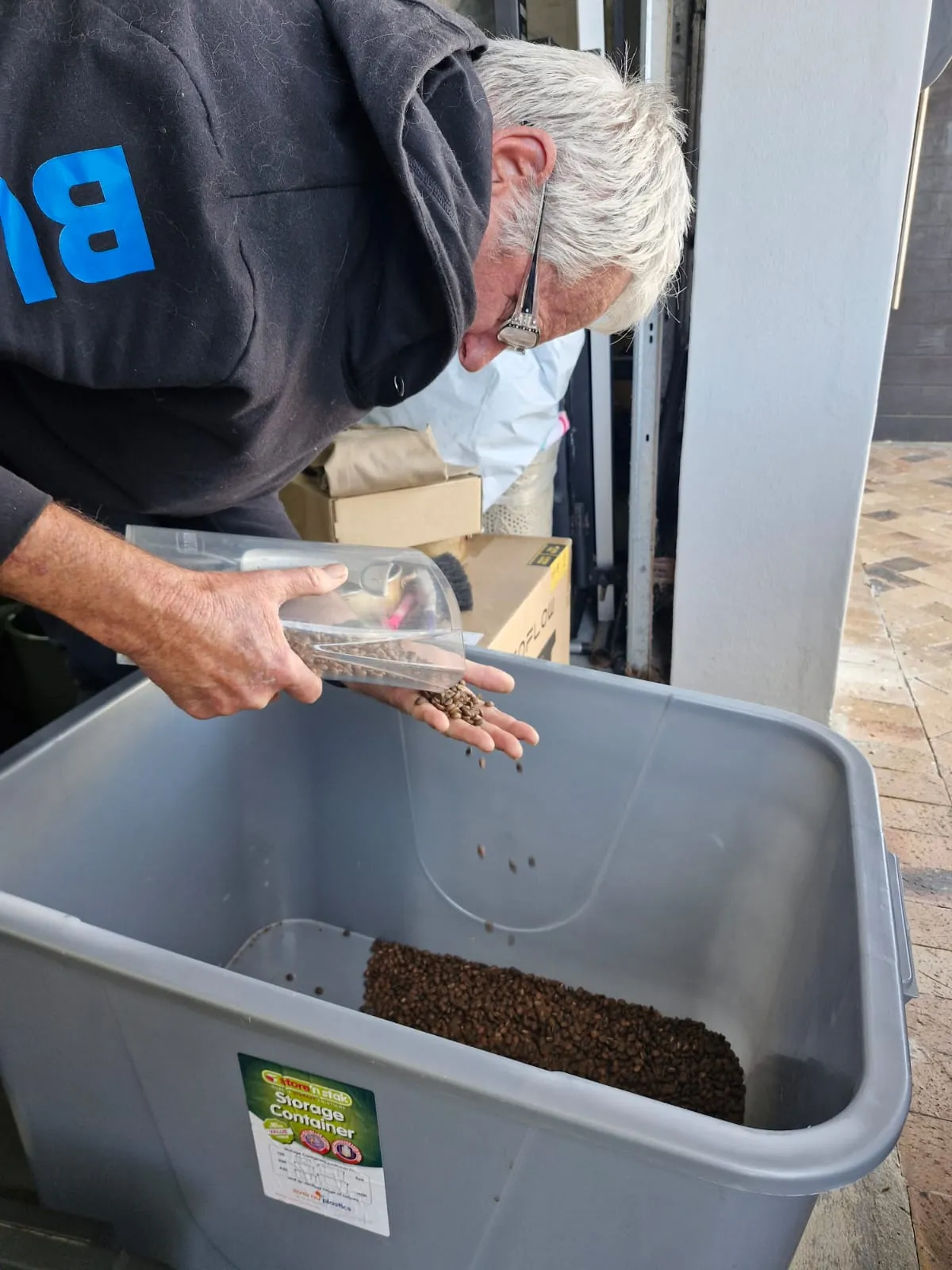
Three things to notice in the cup
Acidity. Not sourness, acidity is the brightness that makes a coffee feel alive. Think fresh lemon juice versus vinegar. Good coffee acidity is like the lemon juice: crisp, clean, pleasant. It’s most obvious in washed Ethiopian or Kenyan coffees. If it makes you wince, something probably went wrong in the brewing, not the beans.
Body. The weight and texture of the coffee in your mouth. A Brazilian espresso might feel heavy and syrupy, “full body.” A lightly brewed Ethiopian filter might feel light and almost tea-like. Neither is better, they’re just different, and different moments call for different weights.
Finish. What stays in your mouth after you swallow? Does it linger pleasantly, or vanish immediately? An unpleasant taste that hangs around is usually a sign of under-extraction, not a bad bean.
Why the weird descriptors exist at all
When someone writes “blackcurrant” or “jasmine” on a bag, they’re not making it up to sound clever, they’re trying to communicate something precise about a flavour compound that genuinely resembles that fruit or flower. You might taste the same thing and call it something else entirely, and that’s completely fine. The goal was never to use the approved vocabulary, it’s to notice that one coffee is different from another, and to have some way of talking about it.
The fastest way to build this up is tasting two coffees side by side, same method, same ratio, and just noticing what’s different between them. It gets easier with practice, faster than you’d expect. I still remember the first time I could reliably tell a washed and a natural apart blind, it felt like a small superpower.
Next time you brew a cup, give it thirty seconds before you drink it. Smell it. Look at the colour. Take a small sip and hold it for a second before swallowing. What’s the first thing you notice? What’s still there after? That’s it. That’s tasting coffee. No vocabulary required, no certificate, just attention. If you want to put that attention to good use, our single origins are the most rewarding place to practise, since that’s where the differences are most obvious.
Ready to practise on something worth tasting?
Pick two single origins and taste them side by side. It’s the fastest way to learn.
Shop single origins →More from the journal: Fresh Coffee: The One Thing Most People Get Wrong • Natural, Washed, Anaerobic
Ready to taste the difference?
Fresh roasted by Apothecary in Blouberg, shipped to your door.
Browse our coffees →
Interesting, thanks for posting!