
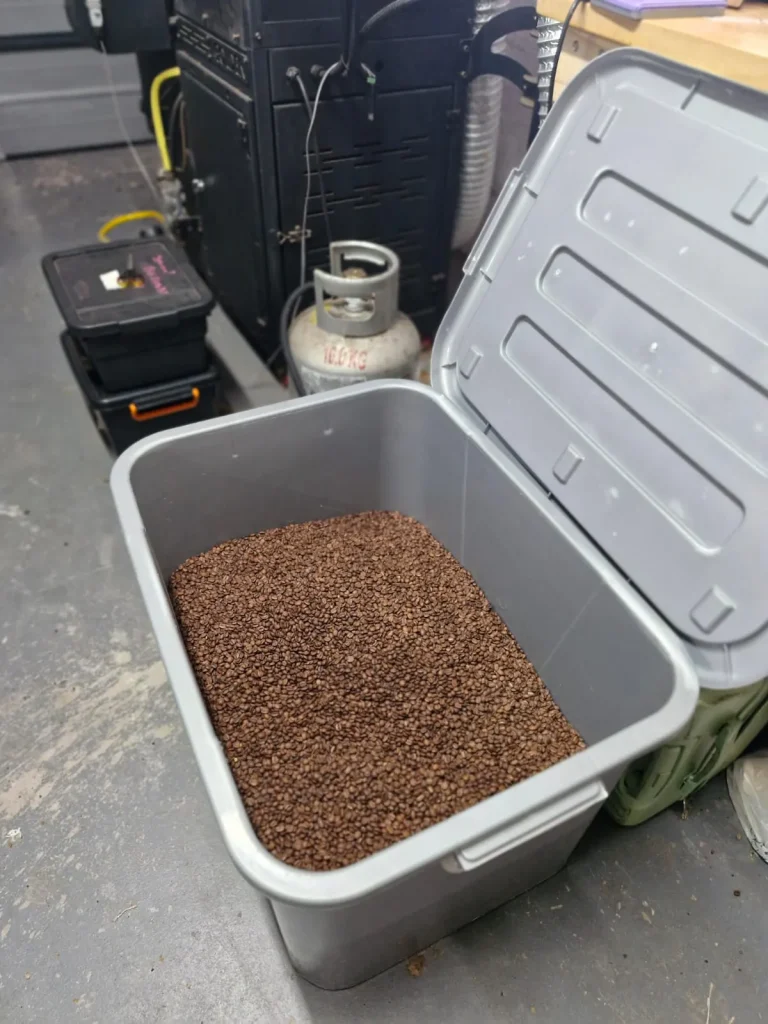
I want to tell you about a bag of coffee a friend gave me as a gift once. Beautiful packaging, roasted somewhere overseas, sat proudly on my kitchen counter for what I’m going to guess was about four months, because I kept “saving it for a special occasion.” Which is a silly thing to do to a bag of coffee, because the only occasion coffee actually wants is being drunk while it’s still alive.
By the time I finally ground it, what came out the other end wasn’t really coffee anymore. Same beans, technically. Chemically a completely different substance. Flat, grey, a bit sad.
That’s basically the whole post. Freshness matters more than your grinder, your water temperature, your brew ratio, more than almost anything else you could spend money on to make better coffee at home. It’s also the thing almost nobody mentions when you’re starting to care about this stuff, because “buy smaller amounts, more often” doesn’t sell nearly as well as a new gadget does.
Why the smell fades, and so does the flavour
Right after I roast a batch, the beans start degassing, releasing the CO2 that built up during roasting. Along with it goes a lot of the volatile aromatic stuff that makes a bag smell incredible the second you crack it open. So that gorgeous smell when you open a fresh bag? That’s your coffee quietly leaving. Romantic, in a slightly tragic way.
The first two to three weeks after a roast is when a coffee is at its most expressive, when the florals and fruit and whatever the origin is trying to tell you actually come through clearly. By six weeks it’s gone noticeably flatter. By three months you’re basically brewing expensive brown water with a nice backstory attached.
Check the roast date, not the best-before date
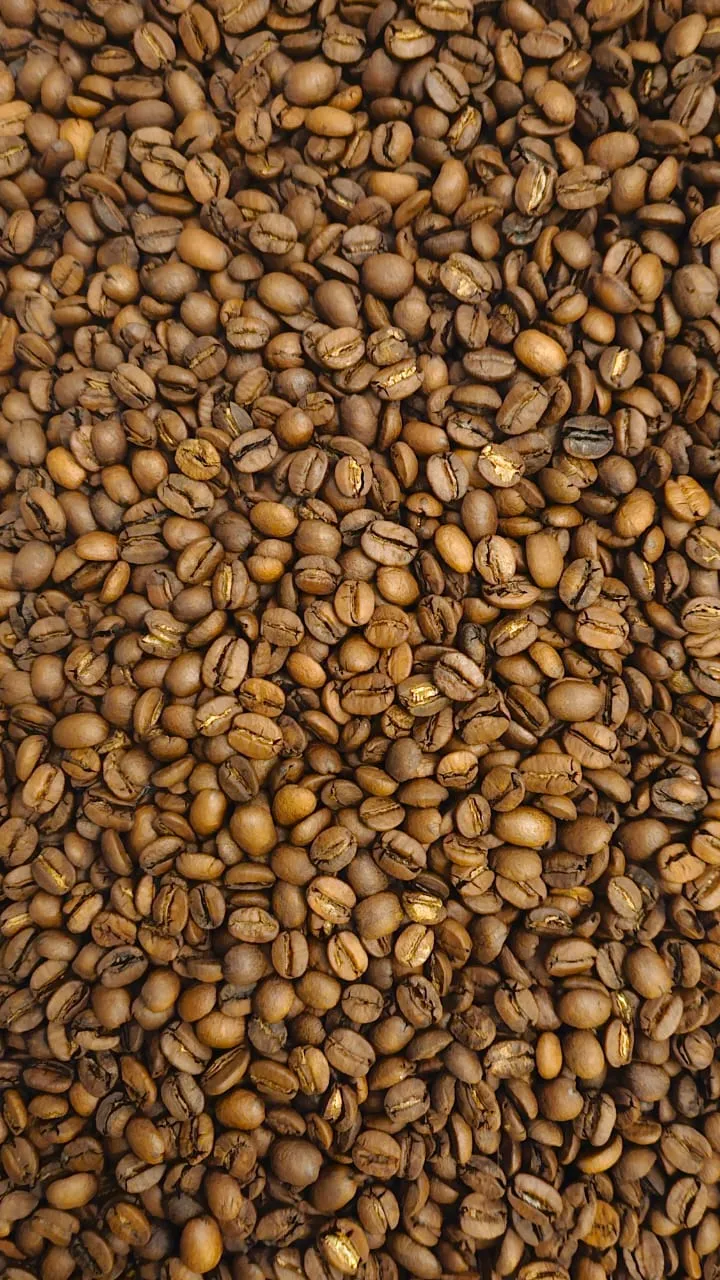
If a bag only has a “best before” date printed on it, that’s usually not telling you anything useful. It’s often just roast date plus twelve months, a legal formality rather than a freshness guide. Look for an actual roast date. If a roastery won’t print one anywhere on the bag, I’d wonder why.
A loose guide, not gospel:
- Days 5-14: peak. This is where the magic properly lives.
- Days 14-28: still lovely, a touch softer.
- Days 28-42: perfectly drinkable, no complaints from me.
- Past six weeks: on borrowed time. Use it up and move on.
- Past three months: I’m sorry. Please compost it.
The freezer thing everyone does, by the way: don’t. Every time you pull the bag out it sweats as it warms back up to room temperature, and that condensation does real, slow damage over the life of the bag. Room temperature, airtight, out of direct light is genuinely all you need. Your clip-seal bag is fine as is. A pretty glass jar on the windowsill looks lovely and is quietly cooking your beans in sunlight the whole time.
Whole beans versus already-ground is worth mentioning too: grind fresh if you can. Ground coffee is basically stale within hours. A week-old whole bean will beat yesterday’s pre-ground, every time.
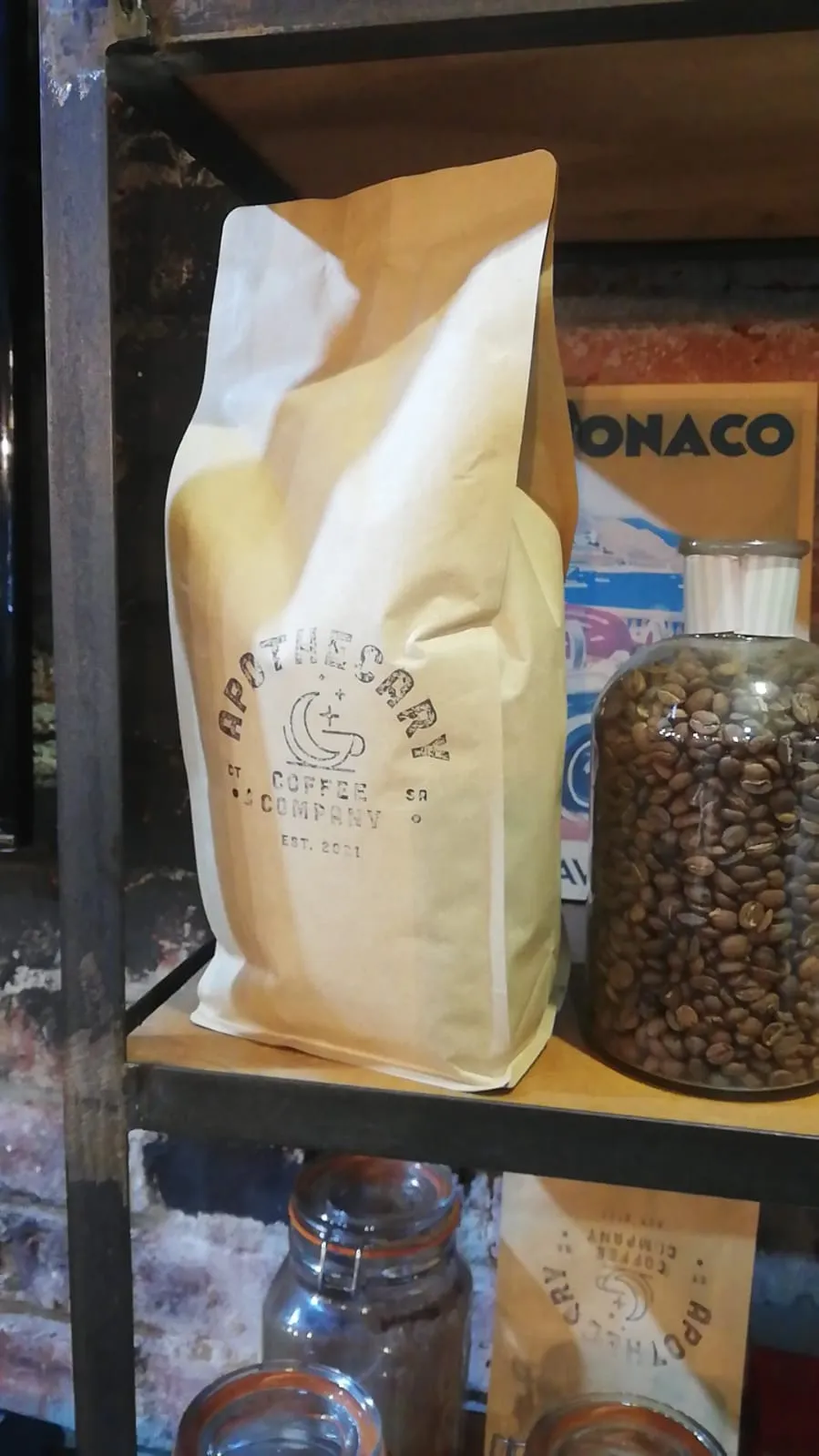
None of this is complicated, honestly. It’s mostly buying smaller amounts more often (a 250g bag every couple of weeks beats a 1kg bag that outlives three house guests and a birthday), keeping it somewhere sensible, and paying enough attention once to actually taste the difference. Once you notice it, it’s genuinely hard to go back to the cupboard-above-the-stove method. If you want a fuller technical rundown of what’s happening chemically as beans age, the National Coffee Association has a good breakdown of it.
We roast to order out of a small space in Blouberg and get bags out within about 48 hours of roasting, so there’s no warehouse sitting around and no mystery dates. If you’re nearby, the freshest possible version of all this is a coffee straight from the hatch or the cafe at Laude Classic Cars. If you want to check what’s actually roasting this week, we post most of it on Instagram at @apothecary_coffee_co. And once you’ve got fresh beans sorted, here’s how to actually taste what’s in the cup without the wine-snob vocabulary.
Ready to taste what fresh actually means?
Small batches, roasted to order, out the door within 48 hours.
Shop our coffee blends →Ready to taste the difference?
Fresh roasted by Apothecary in Blouberg, shipped to your door.
Browse our coffees →