
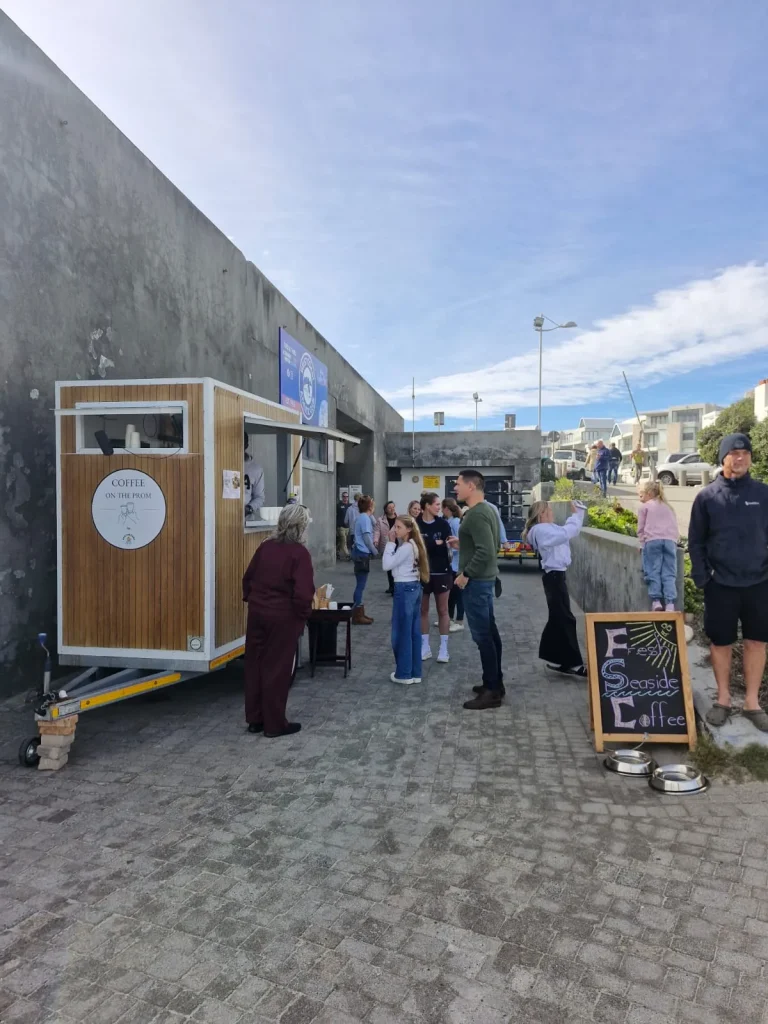
When I first started talking myself into the trailer, it sounded almost too good. Take the coffee to the people, show up at markets and events, build the brand in a way a roastery tucked away on its own never really can. And a lot of it has turned out to be exactly that. But there’s a version of the coffee trailer business that doesn’t make it onto the Instagram grid, and I think it’s worth actually writing down.
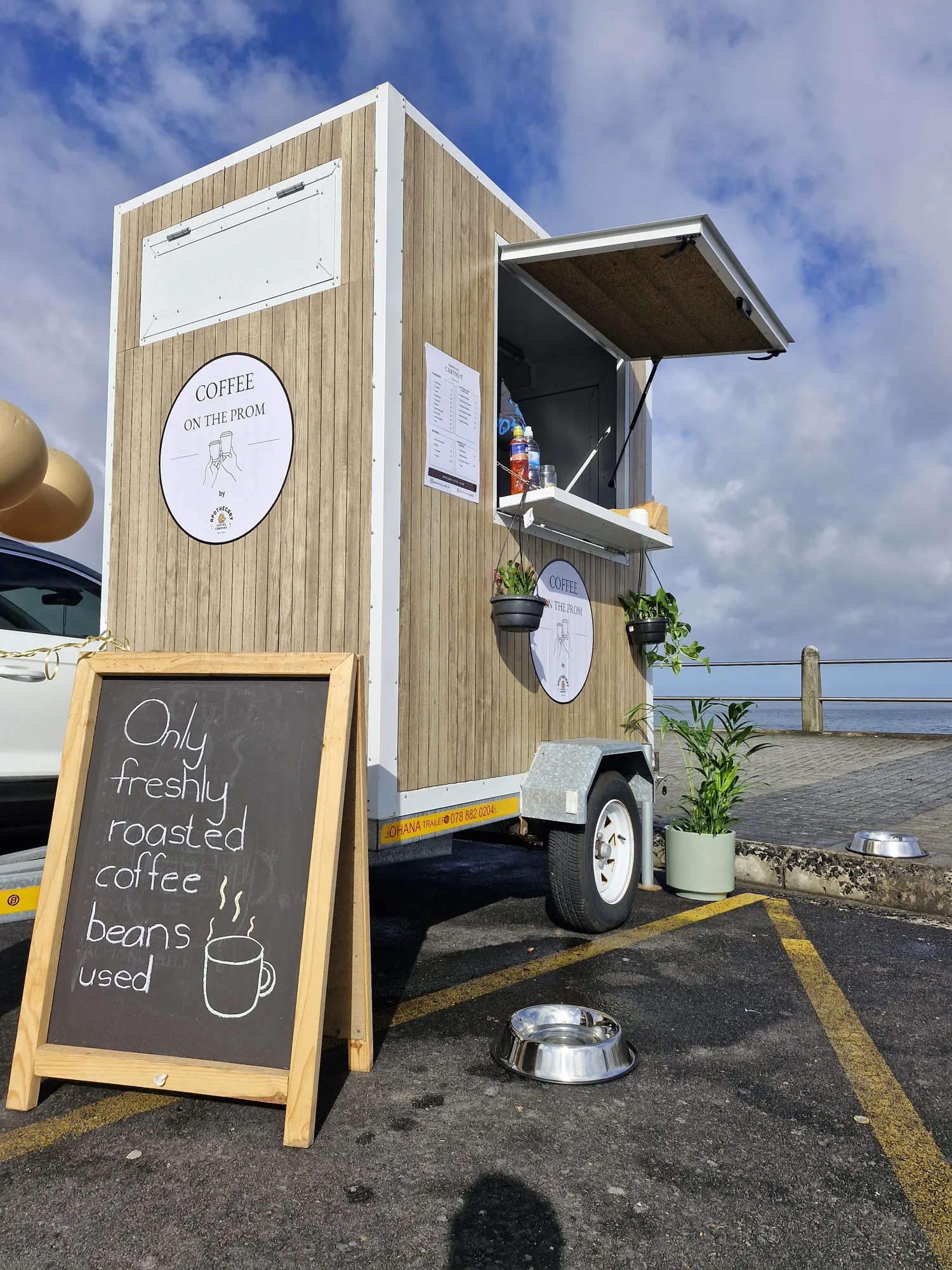
The setup costs nobody warns you about
Before I ever pulled up to a first market, I’d already spent more than most people spend on a decent second-hand car. The trailer itself, the build-out, a commercial espresso machine, the grinder, the inverter, the water tank and pump setup, the branding wrap, permits and inspections. The list just keeps going. If you’re thinking about doing something similar, budget at least double whatever your initial quote says, because there are always things you don’t see coming until you’re already in it.
Funny enough, some of that gear, the machines and grinders, is exactly the kind of thing we now pass on second-hand when we upgrade. So if you’re kitting out, it’s worth a look through our used equipment before you buy everything new. A well-cared-for commercial machine will save you a fortune and run for years.
Getting legal is its own chapter
The City of Cape Town’s trader permit process isn’t impossible, but it takes time and a lot of following up. Health inspections, fire compliance, a roadworthiness certificate for the trailer itself. All worth doing properly. None of it happens in a week, whatever anyone tells you. Factor the waiting into your plans, because you can have the shiniest trailer on the coast and still not be allowed to trade where you want to yet.
What a market day actually looks like
A 7am market call time means loading the trailer at 5:30. Milk, beans, cups, backup gear, ice for cold brew, the card machine, the float. By the time the public shows up at 9, I’ve already been on my feet for hours. Then it’s coffees back to back until midday or later, packing everything down, driving home. By the time it’s all cleaned and restocked, it’s been a full working day and then some, before the “real” week has even started.
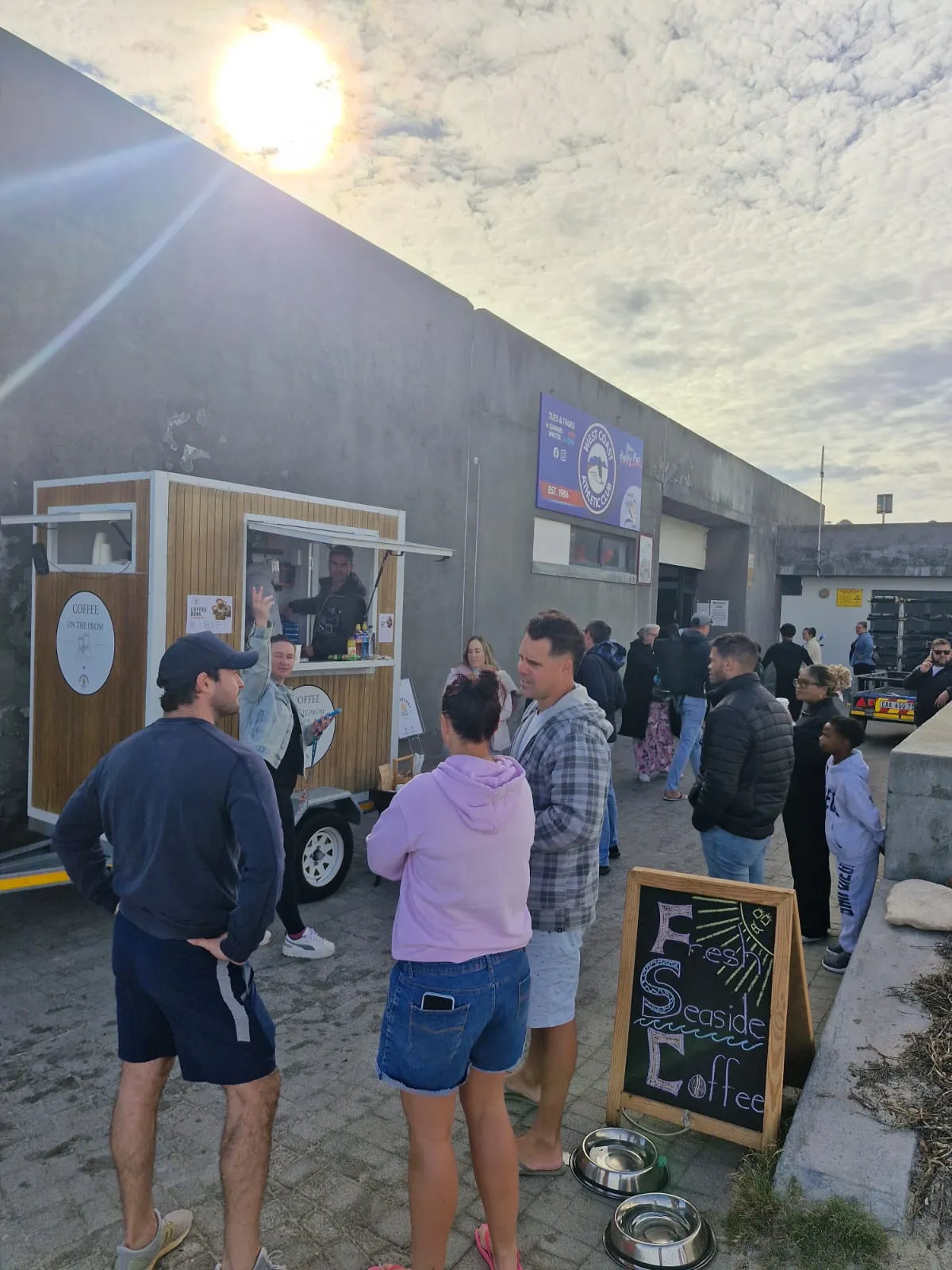
Power is its own headache
Out there you’re your own utility, and how you make your electricity matters more than you’d think. A generator running all day is loud and it smells, and nobody wants to breathe exhaust while they’re trying to pick out stone-fruit notes in a natural Ethiopian. We run an inverter instead: clean and near-silent, which makes the whole atmosphere around the trailer better, and it’s turned into a real point of difference from other mobile setups. Once you’ve stood next to a rattling generator at a market all morning, you notice how much a bit of calm is worth.
The part that makes it worth it
When someone tries one of the single origins through the trailer and their face does that specific thing, the one that says they weren’t expecting it to taste like that, that never gets old. I’ve had people follow us to three different markets in a month because they wanted more of a specific roast. That kind of connection between what I roast and the person actually drinking it isn’t something a website can really replicate on its own.
The trailer’s also turned into one of the better brand-building tools going. People who’d never have searched for a specialty roaster online have walked past at a market, had a two-minute conversation, and ended up on a bag of beans a week later. That wasn’t something I predicted nearly as clearly as I should have when I was running the numbers at the start.
If you’re thinking about starting something similar
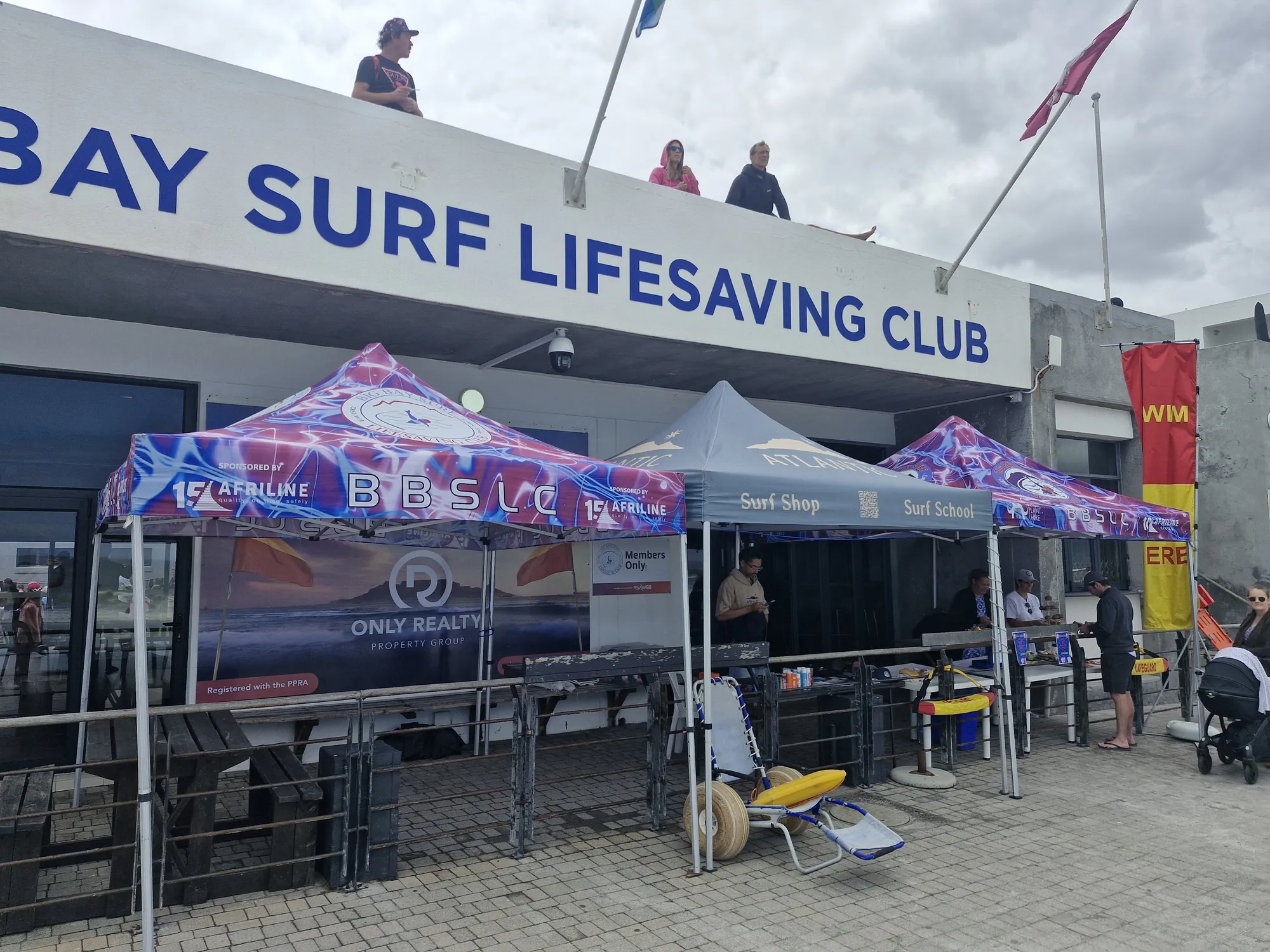
My honest advice: go do a few events on someone else’s setup first if you possibly can. Volunteer at a market, tag along with another operator, see what the physical reality actually is before you’ve committed real capital to it. The romance of trailer life fades fast at 5am in winter, and what keeps you going after that is knowing you’ve built something real, not the idea of it. If you’re at the early funding-and-guidance stage, the SEDA small business support programmes are worth a look too.
I’m still doing it. Still loving most of it. But with a lot more respect for what it actually takes than I had when I started. If there’s a specific bit you’re stuck on, come ask us, I’m always happy to help another small operator get going.
And if you want to try the coffees I’m pulling through the trailer, they’re the same beans I roast and sell out of Blouberg. Have a look through our blends and single origins, and if you’d like the trailer itself at your own event, that’s what our trailer hire and events page is for.
Ready to taste the difference?
Fresh roasted by Apothecary in Blouberg, shipped to your door.
Browse our coffees →