
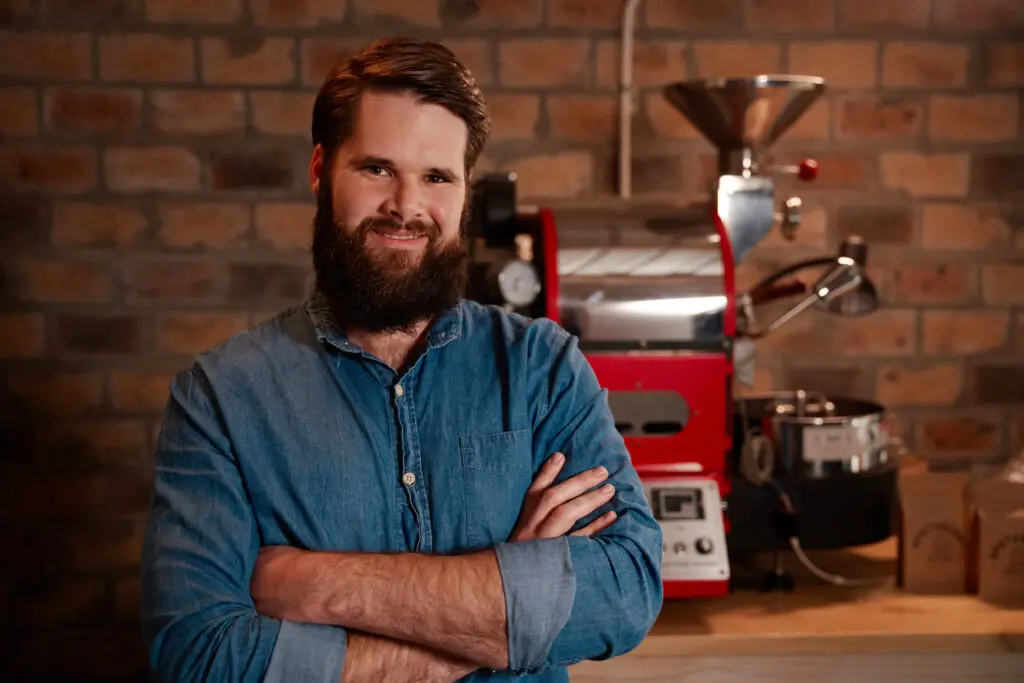
There’s a specific kind of quiet you only get in Cape Town at 6:40 in the morning in winter, before the Southeaster wakes up and starts throwing its weight around in Blouberg. I was standing in the roastery last week during one of those freezing early morning roasting sessions necessitated by poor planning before going away for a long weekend. There was no hum from the fridge, no music, just me and a head-torch and the smell of last Friday’s roast still hanging in the air and I caught myself doing something I almost never do anymore. Nothing. Just standing there, watching the light come up over the building behind us.
It lasted maybe ninety seconds before I reached for my phone instinctively as it buzzed. But those ninety seconds have been rattling around my head ever since, because they reminded me of something I keep forgetting: I built this whole business, in a roundabout way, as an argument for slowing down. And I am, embarrassingly often, the worst at taking my own advice.
So I want to talk about slow living. And not the version with the suspiciously clean kitchens and the perfectly draped linen (full disclosure: we are guilty of the occasional linen-apron photo), but the actual, unglamorous practice of it. Because I think it’s been badly misunderstood, and I think it’s one of the most under rated life disciplines, if applied correctly. Implementing it sort of reminds me of the Mark Manson Book “The subtle art of not giving a f***” because its not to say “don’t care about anything” but more “choose very wisely what you care about”. Anyway, you’ll get a better sense of what I’m trying to explain, below.
Slow living isn’t about doing everything slowly
The name does it a disservice. “Slow living” sounds like a hobby for people with trust funds and no deadlines (you know, those “self made” influencers who have reached “FIIRE” status by age 24), which is probably why it makes a lot of us roll our eyes. But the idea underneath it is sturdier than the aesthetic suggests. The writer Carl Honoré, who more or less kicked off the whole conversation, has a line I keep coming back to, that the point isn’t to do everything slowly, it’s to do everything at the right speed. Some things deserve to be fast. Answering an email. Getting off a phone call with the bank. But a lot of the things that actually make a day feel like yours are the ones we’ve somehow agreed to rush. Like asking your partner how their day was.
If you’ve never seen it, his TED talk on the “slow movement” is worth fifteen minutes of your morning, and there’s a decent rabbit hole waiting on the Wikipedia entry if you want to see how far the idea has spread; slow food, slow cities, slow fashion, the lot. It started with someone getting annoyed at a fast-food ad. That detail delights me more than it should.
The heresy: attention is the whole game
Well, here’s the uncomfortable bit. Most of us aren’t actually short on time — we’re short on attention. We’ve just gotten very good at spending the same ten minutes three times: half-watching a series (sometimes even deliberately picking a boring series to play in the background – can you relate?), half-answering messages, half-thinking about tomorrow. The American Psychological Association has been saying for years that this kind of constant task-switching quietly taxes us. It costs more focus and more time than we think, even when it feels efficient. We’re not doing more. We’re just doing everything a little worse, and feeling a little more frazzled while we’re at it.
By the way, I’m speaking as someone who has gone through actual, real, ugly, burnout. The kind where you lose the ability to work your job. So trust me when I say I’ve been a huge culprit of this. I’ll write another post about burnout later in the month by the way, so stay tuned for that.
Which is why I’ve come to think slow living is really just a nicer name for paying attention on purpose. Deciding, in advance, which handful of ordinary things get your whole self, and then actually giving it to them. It’s less about candles and more about a kind of stubbornness.
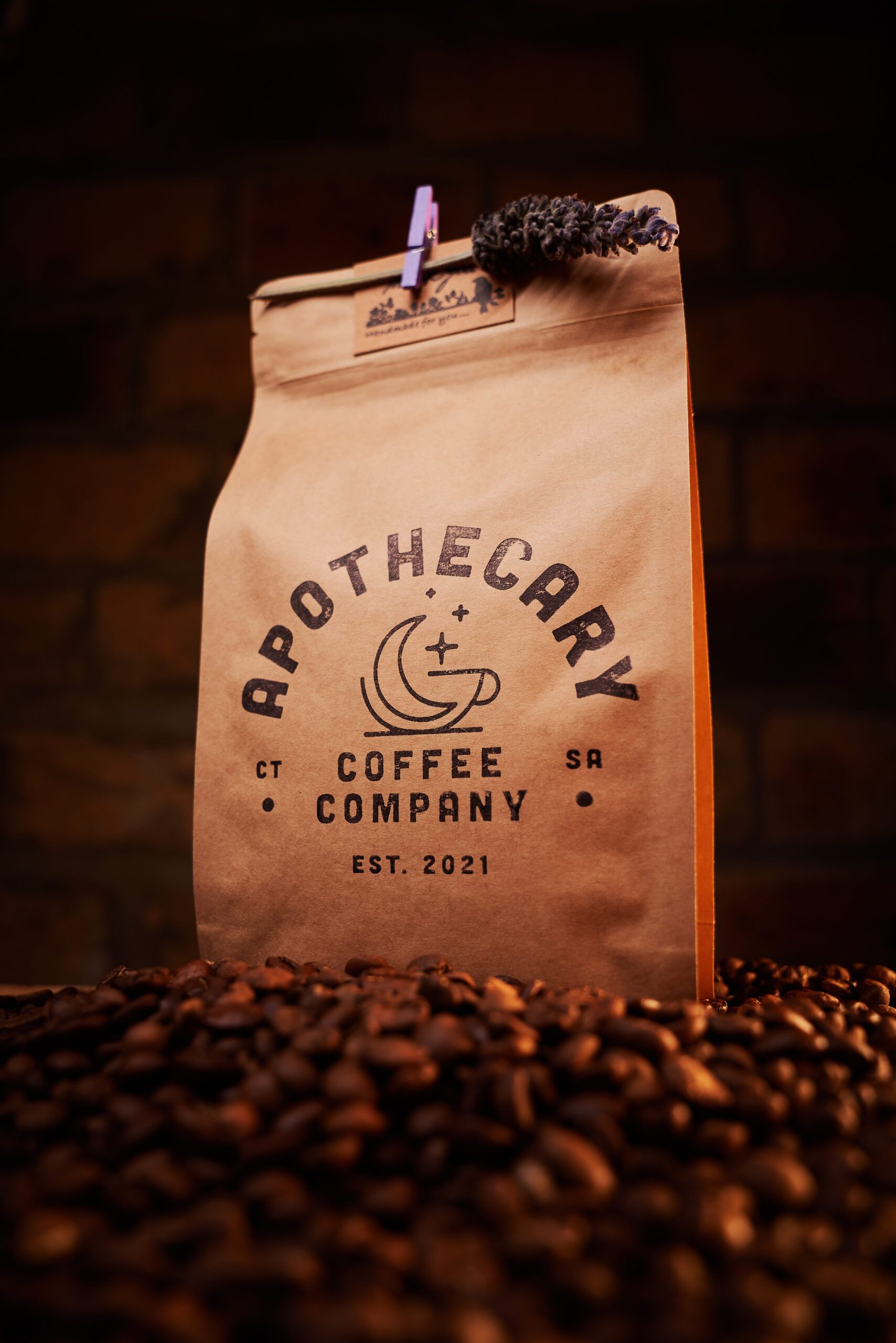
What a cup of coffee is actually for
I’ll admit the obvious bias here: I sell coffee for a living, so of course I’m going to tell you a cup of it matters. But bear with me, because I don’t mean the caffeine. I mean the ritual around it.
A pour-over takes about four minutes. You can’t really speed it up too much unless your grind is very coarse; the water goes through the grounds at the pace it wants to, and if you rush it you get a thin, sad cup that serves you right. For those four minutes there is almost nothing useful you can do except stand there and watch it, and maybe re-check the weight on the scale looks about right. It is, in the most literal sense, a built-in pause. It’s a small daily appointment with doing one thing at a time. I think that’s most of why people fall in love with making coffee by hand, long after the novelty of the gear wears off. It’s not the coffee. It’s the four minutes. That’s what I’m here for, just as much as the coffee itself.
You don’t need a fancy setup or our beans to get this, by the way. A cheap plunger and a bit of patience will do it. The kit is not the point. The point is choosing something small and ordinary and refusing, for a few minutes, to do anything else.
How I actually practise it (badly)
I’d be a fraud if I pretended I’ve got this figured out. I check my phone at traffic lights. I’ve eaten more than one lunch standing over the roaster reading a spreadsheet while trying to make minor gas and air adjustments and marking these off on my roasting software. But a few small things have stuck, and they’re all really low-effort:
I try to make the first coffee of the day before I look at a single message. This has become almost non-negotiable now, and it has slowly started to change my mornings more than any productivity app ever did. When I’m not needed at the trailer on a Sunday I will usually walk up Lion’s Head (or Platteklip if I’m feeling particularly fit) without headphones, which felt insane for about three weeks and then felt like a gift. And I’ve started letting a few things be gloriously inefficient — writing these posts by hand first using bullet points before hacking it out on my website, taking the long way home along the coast when the traffic gods allow it. None of it is impressive. That’s sort of the whole idea. I love it.
Slow living, in the end, isn’t a trend you buy into. There’s nothing to purchase and no aesthetic to maintain. It’s just the decision to be where you actually are; which, on a good Cape Town morning with the mountain doing its thing and a cup cooling next to you, is not a bad place to be at all.

If any of this lands, I’d love to see how you slow down — pour-over, plunger, a quiet ten minutes on the stoep, whatever it is. Share it with us over on Instagram @apothecary_coffee_co and tag us or just leave a comment; there are few things I like more than a photo of someone’s slow morning. And if you’d like something worth slowing down for, our beans are always roasted to order over here… No rush, though… That’s rather the point.
Ready to taste the difference?
Fresh roasted by Apothecary in Blouberg, shipped to your door.
Browse our coffees →