
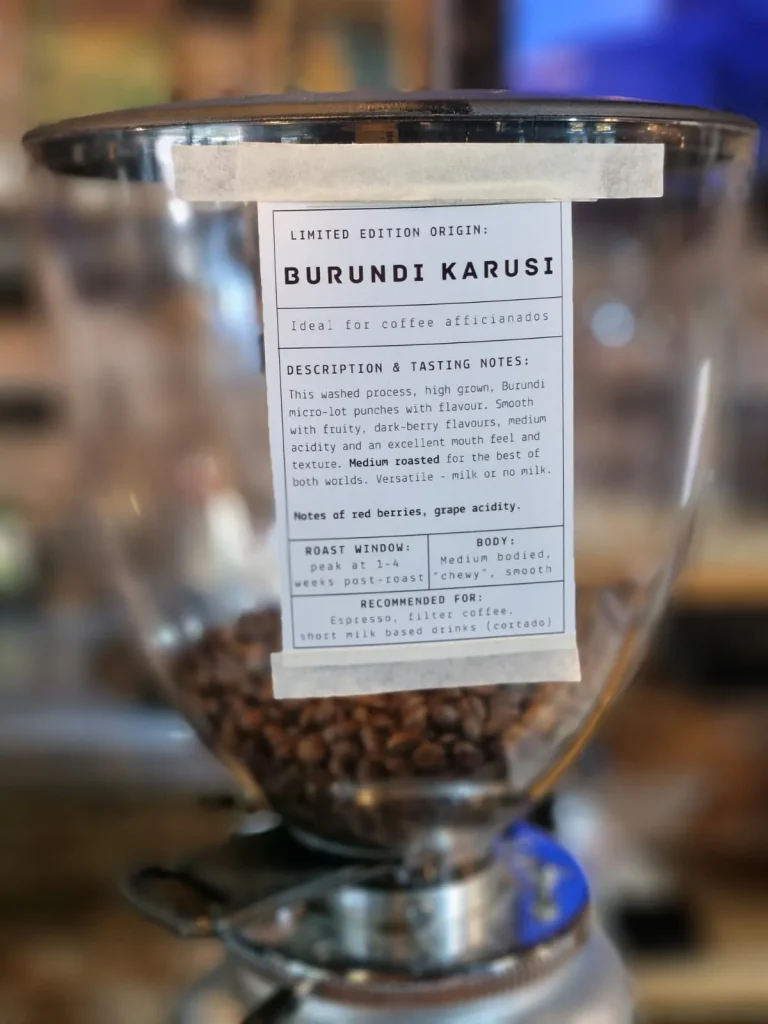
Your morning coffee doesn’t actually give you energy. Not one drop. What it does is sneak into the parking spots in your brain reserved for adenosine, the molecule that builds up all day and whispers “you’re tired.” Caffeine parks there instead, the message never arrives, and you feel sharp. The energy was always yours. Coffee just hides the bill for a few hours.
I get asked about caffeine constantly at the hatch, usually wrapped in a pretty confident myth someone heard from a friend of a friend at gym. So let’s actually clear a few of these out, properly.
Myth 1: the second you wake up is the best time for coffee
This is the one I hear most, and I can already hear my fellow Dr Huberman fans screaming out “WRONG!”, here. Your body runs on a hormone called cortisol that helps you feel alert, and it tends to peak in the first hour or so after waking. Pour coffee straight onto that peak and you’re arguably wasting some of it, and possibly nudging yourself toward needing more later for the same lift.
I’m not going to be precious about this. If your 5am routine only works with a cup already in hand, drink the cup, life’s too short. But if you’ve got the patience, try waiting 60 to 90 minutes after waking. A lot of people find their coffee suddenly does more work for them. Free hack, no extra beans required.
Myth 2: decaf is basically caffeine-free
Decaf isn’t the same as no-caf. A cup still carries roughly 2 to 5mg of caffeine, versus 80 to 100mg in a normal cup. Small, sure, but not zero, which matters if you’re very sensitive, or working through four “decafs” after dinner and wondering why the ceiling looks unusually interesting at midnight. I know this because I’ve done it by the way… I regularly make a decaf flat white for “dessert” at night using my bean to cup machine, for convenience. It really hits the spot but I no longer have more than one or two after about 8pm.
The bigger myth might be that decaf tastes like wet cardboard. That reputation comes from cheap, badly processed decaf. Done properly, and I’m a fan of the Swiss Water method here, water rather than harsh solvents, decaf can keep most of its actual flavour. A good decaf is honestly one of the harder things to roast well, which is exactly why I bother (and occasionally swear at the roaster).
Myth 3: espresso is the strongest hit
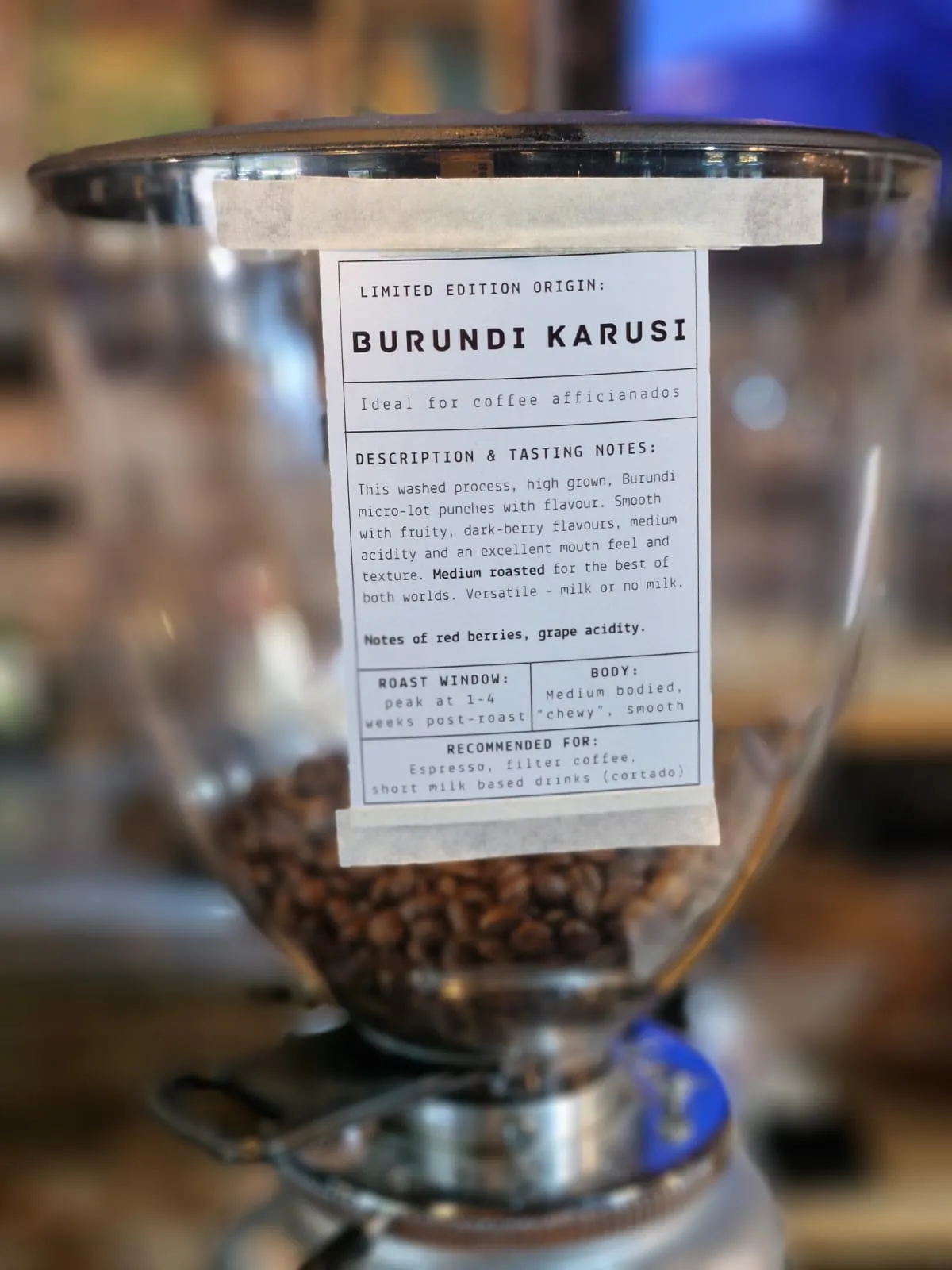
An espresso feels intense, so surely it’s loaded with caffeine? Per millilitre, sure. But a single shot only holds around 60-80mg, often less than a full mug of filter coffee, which can comfortably sit above 120mg simply because there’s so much more of it in the cup.
Concentration and total dose are two different things. Espresso’s a small, punchy package. Your big morning filter is the sneaky overachiever. And while we’re here: a dark roast isn’t “stronger” in caffeine than a light one. Roast level barely moves the caffeine needle at all (I know, it really feels like it should), it changes flavour, body and sweetness, not the buzz. More on that in what actually happens when coffee is roasted.
Myth 4: coffee dehydrates you
The classic. Caffeine is a mild diuretic, so the logic seems sound, but the water in the cup more than makes up for the small extra trip to the loo. At normal intake, your morning coffee is a net positive for hydration. You don’t owe your body a glass of water for every flat white, whatever someone told you at gym.
What actually wrecks a cup isn’t the caffeine maths, it’s the water you brew with. Coffee’s roughly 98% water, so dodgy tap water makes dodgy coffee. I’ve written a whole separate rant about that in why your tap water is probably ruining your coffee, and it pairs nicely with the case for drinking coffee fresh.
The short version
Coffee blocks tiredness rather than adding energy. Waiting an hour after waking might get you more out of each cup. Decaf has a little caffeine, not none, and good decaf actually tastes good. Espresso’s concentrated but a big filter often carries more total caffeine. Roast colour barely touches caffeine. And no, your coffee isn’t dehydrating you. Brew with decent water and you’re sorted.
For the more clinical version of all this, Harvard Health has a solid overview of sensible caffeine limits. If you want to try a decaf that might actually change your mind about the category, it’s in the coffee blends lineup, or come find us on Instagram @apothecary_coffee_co for whatever’s roasting this week.
Ready to taste the difference?
Fresh roasted by Apothecary in Blouberg, shipped to your door.
Browse current coffees →