
The first time I tried to pull a proper shot on my own machine at home, it came out like sad, weird tasting tea. It was sour, thin and over in about 8 seconds – pretty disappointing but understandable now in hind sight. I stood there a bit deflated, because I roast the stuff for a living and here I was, unable to get a decent espresso out of beans I’d roasted myself. Also, my machine was not to blame because it cost us about R40k at the time. Humbling.
So if you’ve bought a home espresso machine and you’re wondering why it isn’t doing what the café does, welcome, pull up a chair. It’s not you, and it’s probably not the machine (although it might be the grinder 😉 ). Espresso is just the fussiest way to make coffee there is: everything happens in about 30 seconds under a lot of pressure, so small changes make loud differences, and it literally changes every time the beans change. The reassuring part is that dialling in espresso at home is mostly one skill repeated, not twenty separate ones. Let me walk you through where I’d start.
It’s almost always the grind
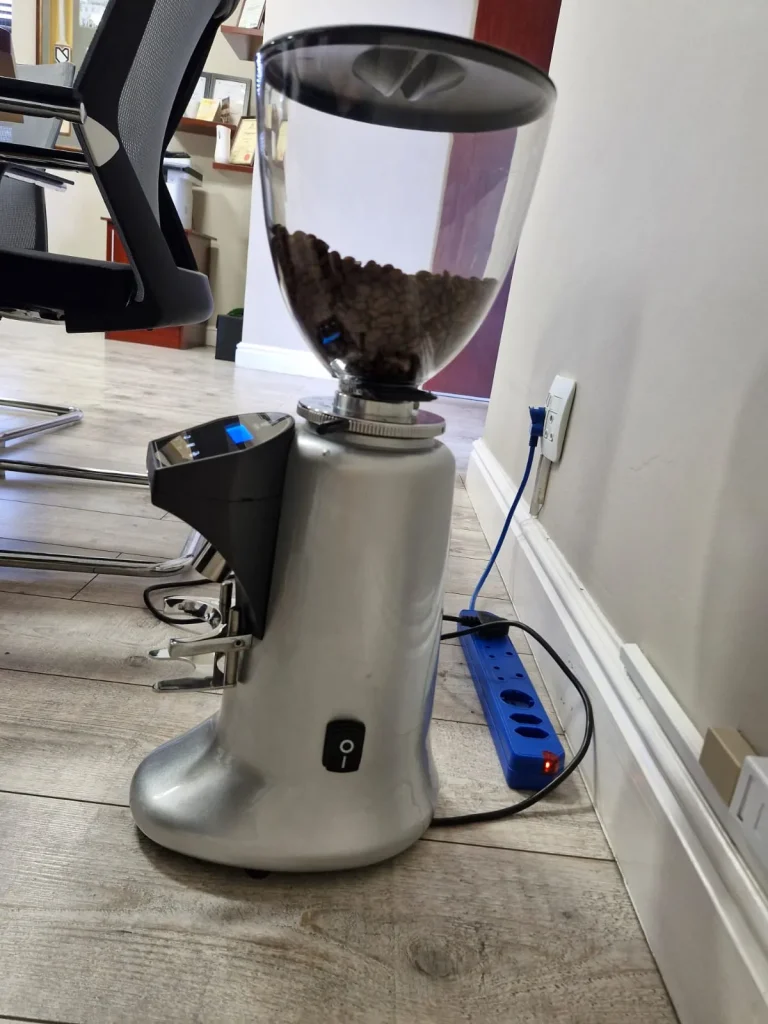
The single biggest lever you have is grind size, and it’s the one most beginners overlook in favour of buying fancier espresso machines. We ran a secondhand Wega packet grinder in the early days of Apothecary (the one up top, sitting on a wooden floor next to some office chairs, very glamorous), and I learned more from fiddling with that dial than from any piece of kit since.
The mental model is short. Grind too coarse and the water rushes through: the shot gushes out fast and tastes sour and sharp, which is underextracted. Grind too fine and the water fights to get through: the shot crawls and turns bitter and drying, which is overextracted. The so called “pressure” of 9bars at the group head of the machine is created purely by the resistance that the finely ground coffee creates against the flow of water applied to it. That same principle is also why puck prep is so important by the way, but I will get into that another time. Anyway, the point is: you’re hunting for the spot in between the above two situations where it lands sweet and balanced. That’s most of the game to be honest.
The rule that helped me, which came somewhat naturally to me as a scientist of sorts: change one thing at a time. Grind, taste, adjust, taste again. If you move the grind and the dose and the tamp all at once, you’ve learned nothing, you’ve just made a different random coffee.
A starting recipe you’ll then ignore
People love arguing about numbers, so here is a common one to begin with: a lot of home baristas start around 18g of coffee going in, roughly 36g of espresso coming out, in about 25 to 30 seconds. That’s the “1:2 ratio” you’ll see quoted everywhere. It isn’t gospel, but it really is a pretty safe place to stand before you start moving things around.
Weigh it, though. This is probably my single biggest tip: get a small cheap scale that fits on the drip tray, and weigh both the dose going in and the shot coming out. Eyeballing it is how you lose a month to confusion. A R300 scale will teach you more than a R30,000 machine will.
Then taste and steer. Sour and sharp? Grind finer. Bitter and drying? Grind coarser. That, honestly, is most of the loop. (If telling those two flavours apart makes you feel like a fraud, I wrote a whole thing on reading tasting notes without the nonsense.)
The bean-freshness curve that trips people up
One thing catches home users out constantly: beans that are too fresh will fight you. Straight off the roaster, coffee is still puffing out CO2, and that gas makes espresso gush and channel and generally misbehave. For espresso specifically, a lot of people find beans sit in a sweet spot somewhere from about five days to three weeks off roast, once they’ve had a chance to settle down. So if your shots are wild and foamy on a bag you cracked open the day it landed, it might just want a few days’ patience.
This is also why we roast to order and print a roast date on every bag, and why I’m forever nagging people about how they store their beans (short version: not in the fridge). Fresh matters, but for espresso, brand-new-off-the-drum is its own small problem.
The machine matters less than you’d hope
Ok so this is slightly annoying news for anyone who just spent a fortune on their new home espresso machine: the grinder matters more than the machine. A modest machine with a good, consistent grinder will beat a shiny machine paired with a bad one, because espresso lives and dies on how evenly the water can move through the puck of coffee. The internet’s espresso obsessives have been saying this for years, and as far as I can tell they’re right.
If you want to fall properly down that rabbit hole, James Hoffmann and Lance Hedrick on YouTube are the two I actually watch most often (to be fair, they are the two most well known in general), and they’ll explain distribution, tamping and puck prep far better than I can here. Fair warning: it’s a deep hole. I once lost a whole evening to a video about water and came out the other side a bit worried about my tap (which, it turns out, is a real thing too). I also don’t always follow the speed at which Hedrick talks to be honest and sometimes come away forgetting most of what I watched. Sue me.
Anyway, the trap with dialling in espresso at home is chasing the perfect shot until it stops being any fun. You don’t need perfect. You need good and repeatable: a shot you can make on a Tuesday morning before you’re properly awake. Get the grind roughly right, weigh in and out, taste, nudge, and let the rest go. If it’s still a bit off, drink it anyway and try again tomorrow. Nobody’s marking you.
And if you decide that dialling in a machine isn’t your idea of a good time (completely fair), pour-over is a far more forgiving way to make excellent coffee at home. I wrote about that too, over on the V60 not being as fussy as it looks.
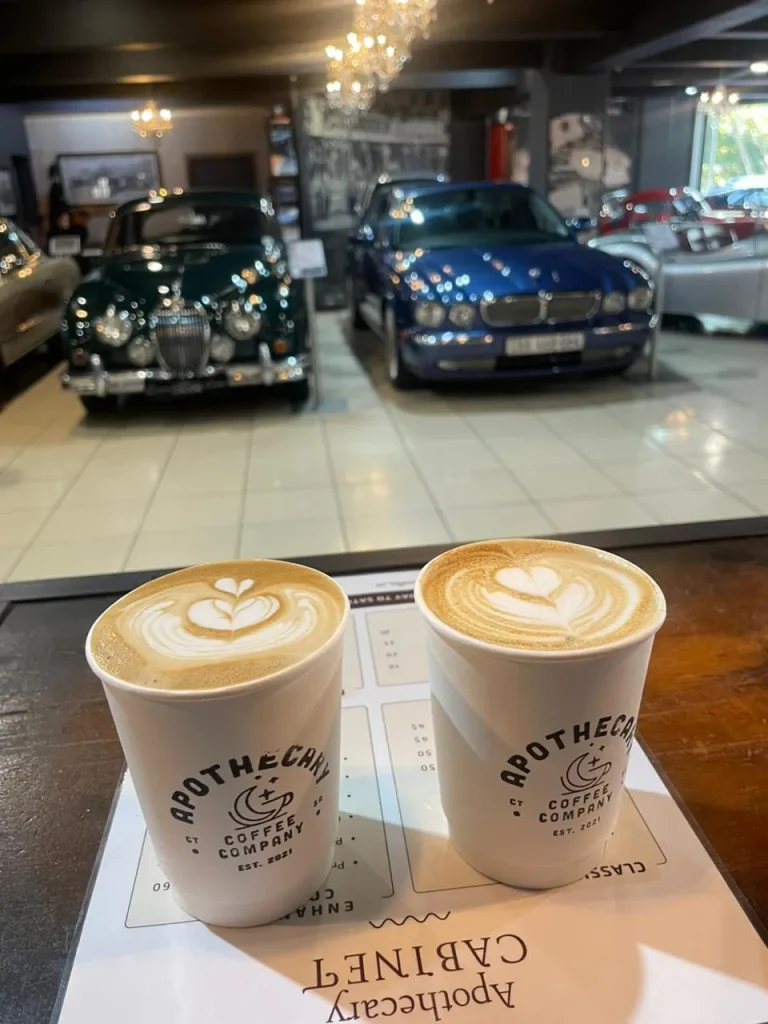
Whatever machine you’re on, it starts with beans worth the effort. Our single origins are the fun ones to dial in and chase flavour with; the blends are a bit more forgiving if you’re still finding your feet. Roasted to order in Blouberg, either way.
Ready to taste the difference?
Fresh roasted in Blouberg, shipped to your door.
Pulling a shot you’re proud of? Tag us @apothecary_coffee_co on Instagram, I love seeing them.